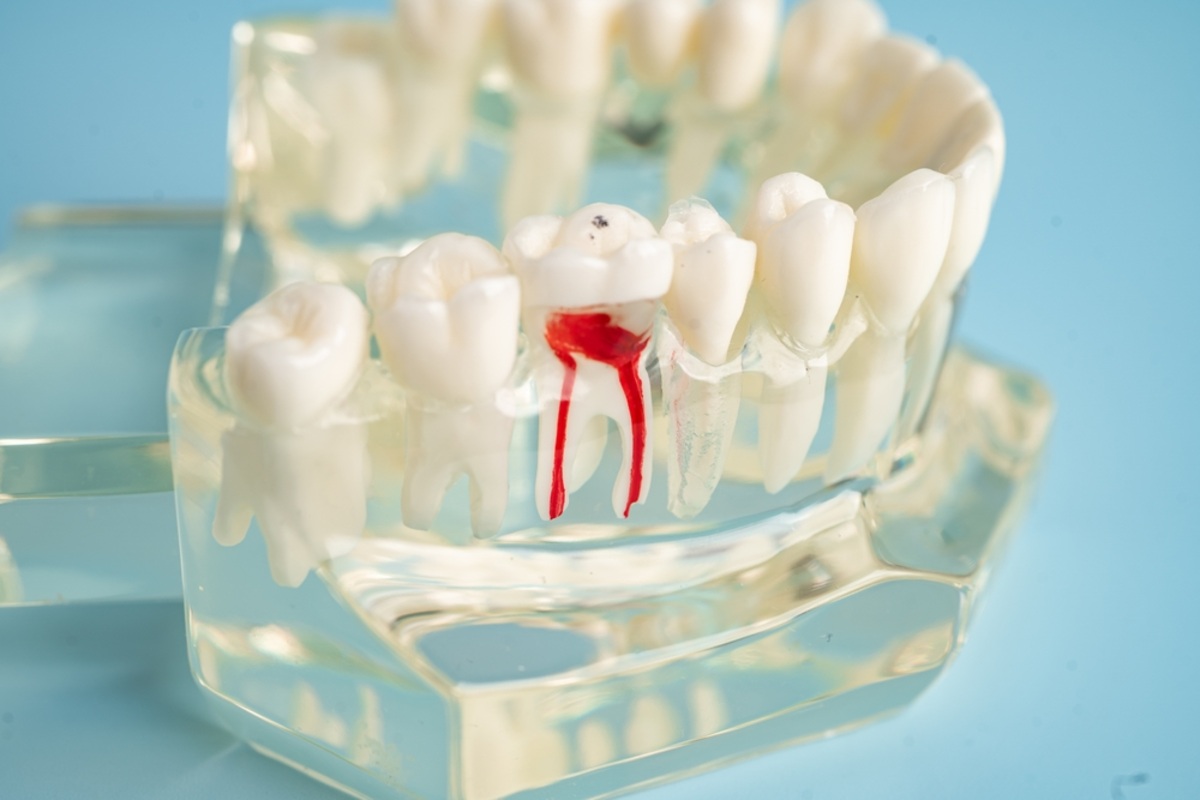
Being referred for a dental implant often raises an important question: Will you need to see a specialist, or can your general dentist manage your treatment? The answer depends on your oral health, the condition of your jawbone, the complexity of the procedure, and your dentist’s training and experience. A dental clinic in Blackfalds can assess these factors, explain your tooth-replacement options, and determine whether specialist involvement may be beneficial. While some implant cases can be managed by a general dentist, others require additional expertise. Understanding how referrals work can help you feel more informed about your next steps.
What Can A General Dentist Evaluate?
An initial assessment covers your dental and medical history, teeth and gums, and bite. Your dentist may review medications, smoking, health conditions that affect healing, and your goals for replacing the tooth.
Dental X-rays or a 3D scan, when indicated, can show available bone and nearby structures. The planned replacement tooth and the condition of neighbouring teeth also matter. Gum disease or other oral health problems may need treatment first. A complete assessment should also compare alternatives, such as a bridge or removable partial denture.
Does Every Implant Require A Specialist?
No. A referral is not automatically necessary for every implant. The decision depends on case complexity and the clinician’s training and experience. Some general dentists plan, place, or restore implants; others coordinate with specialists for surgical or restorative stages.
When considering dental implants in Blackfalds, clarify who will plan treatment, place the implant, and fit the final restoration. These stages are related but distinct. Confirm who coordinates care and follow-up before treatment begins.
When Might A Referral Be Recommended?
Specialist input may be recommended if surgery or anatomy makes the case more complex. Common reasons include:
- Limited Bone Support: Bone grafting may be considered when there is not enough suitable bone to place an implant as planned.
- Complex Anatomy: The position of nerves, sinuses, or neighbouring teeth may make implant placement more challenging.
- Extensive Treatment: Replacing several teeth or planning a full-arch restoration may require additional surgical or restorative expertise.
- Gum or Medical Concerns: Advanced gum disease, certain health conditions, or medications that affect healing may call for further assessment or coordinated care.
Depending on the concern, the referral may be to a periodontist, oral and maxillofacial surgeon, or prosthodontist. Your dentist should explain the specialist’s role and how care will be coordinated.
What Should Your Treatment Plan Include?
A dental clinic near you that provides implant care should outline each stage and who is responsible. Treatment may involve preparing the site, placing the implant, allowing the bone to heal around it, and attaching a crown, bridge, or denture. Additional procedures can extend the timeline.
Before proceeding, make sure your plan covers:
- Expected benefits, risks, and limitations
- Alternatives and why one is recommended
- Estimated fees and possible insurance coverage
- Home care, follow-up visits, and who to contact with concerns
You should understand what happens if the implant does not integrate with the bone as expected.
Maintaining Your Implant After Treatment
An implant cannot decay, but the surrounding gum and bone can become inflamed or lose support. Brush daily, clean between teeth with recommended tools, and attend regular checkups. Smoking and a history of gum disease can affect long-term risks and should be discussed during planning.
Follow-up visits allow the clinician to check your bite, restorations, and surrounding tissues. Consistent maintenance is essential to keeping the implant healthy.
Make An Informed Decision About Your Tooth Replacement!
Choosing an implant involves more than filling a gap. Knowing who will manage each stage, why a referral may help, and how the result will be maintained can make the next step clearer.
Book a consultation with Blackfalds Dental Centre to review your tooth-replacement options and discuss whether a specialist referral may be appropriate.
FAQs
Can my general dentist refer me to a specialist if needed?
Yes. A general dentist can coordinate specialist care when additional expertise is helpful. The referral should clarify its purpose and how recommendations fit the overall plan.
Which specialists may be involved in dental implant treatment?
Periodontists and oral and maxillofacial surgeons may perform implant surgery. Prosthodontists focus on complex restorations, including implant-supported crowns, bridges, and dentures. The team depends on the case.
Does everyone need a bone graft before an implant?
No. Grafting may be considered if the jawbone lacks sufficient support. Examination and imaging help determine whether it is needed or another option is more suitable.
Can gum disease affect implant treatment?
Yes. Active gum disease should generally be controlled before placement because inflammation can affect outcomes. Your clinician can discuss treatment and maintenance needed before proceeding.
How long does dental implant treatment take?
Treatment often takes several months while the implant bonds with the jawbone. Grafting, individual healing, and the number of teeth replaced can extend the timeline. Your clinician can estimate timing after an examination.