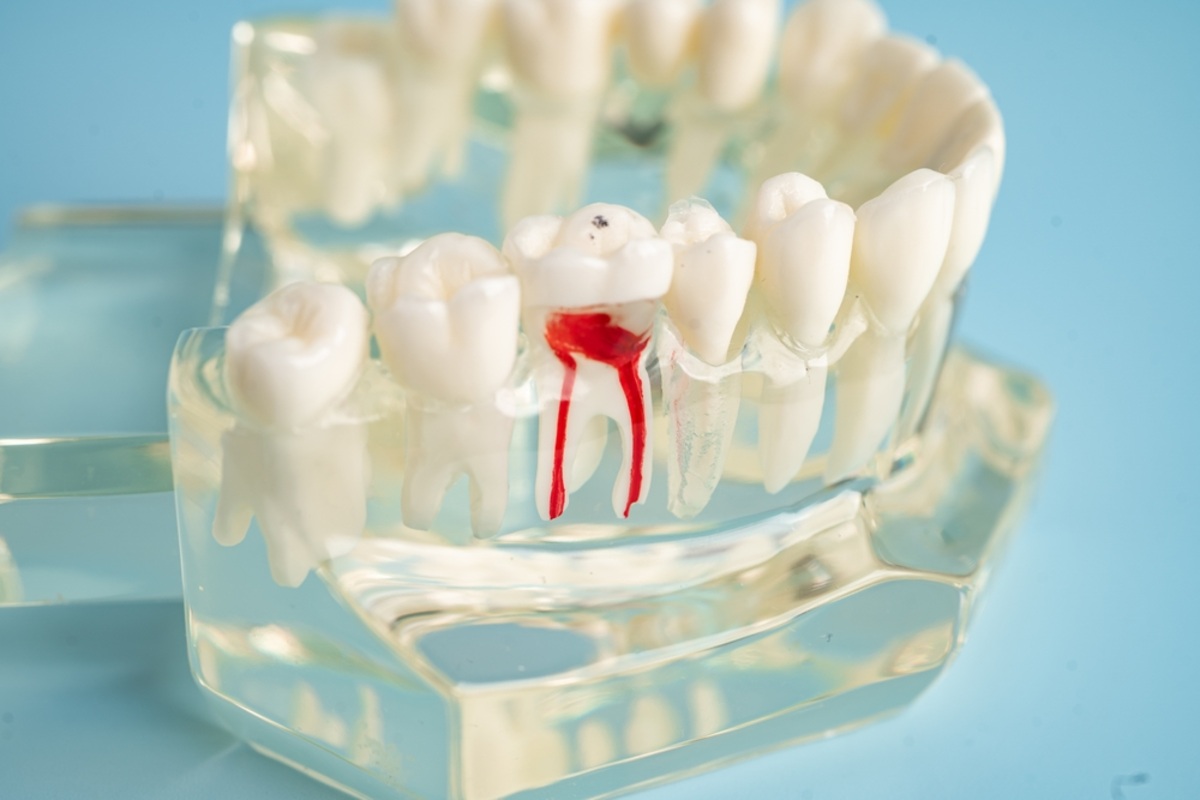
Dental problems can happen when you least expect them. A sudden toothache, a broken tooth, or an injury to your mouth can quickly turn into a stressful situation. While some dental issues can wait a few days, others need immediate attention to prevent further damage, pain, or infection.
You can save your teeth and safeguard your oral health by knowing when to seek emergency dental care. Getting in touch with an emergency dentist in Red Deer as soon as possible will greatly enhance the results of your treatment if you have severe symptoms.
What Is Considered a Dental Emergency?
A dental emergency is any oral health condition that requires prompt care to relieve severe pain, stop bleeding, treat infection, or save a tooth.
Some dental issues may feel uncomfortable, but are not urgent. However, delaying treatment for a true emergency can lead to more serious complications.
If you are unsure whether your situation requires immediate care, it is always best to contact a dentist near you for guidance.
Severe Tooth Pain That Won’t Go Away
A persistent toothache is one of the most common reasons people seek emergency dental care.
While mild sensitivity may not require emergency care, severe pain often points to an underlying problem, such as:
- Severe degeneration of the teeth
- A tooth abscess
- Gum disease
- A fractured tooth
- Damage to dental fillings
You should make an appointment for same-day treatment with an emergency dentist near you if the pain is severe, keeps you up at night, or gets worse over time.
Warning Signs That Need Immediate Attention
Seek urgent care if your toothache is accompanied by:
- Facial swelling
- Fever
- Bad taste in the mouth
- Pus around the gums
- Difficulty chewing
These symptoms may indicate an infection that requires prompt treatment.
Knocked-Out Teeth
A knocked-out tooth is one of the most serious dental emergencies.
Whether the injury happens during sports, a fall, or an accident, acting quickly can increase the chances of saving the tooth.
If a permanent tooth is knocked out:
- Pick it up by the crown, not the root.
- Gently rinse it with water if it’s dirty.
- Try placing it back into the socket.
- If that is not possible, store it in milk or saliva.
- Visit an emergency dentist in Blackfalds immediately.
The best chance of successful reattachment usually occurs when treatment is received within an hour of the injury.
Broken, Cracked, or Chipped Teeth
Not all chipped teeth need to be treated right away. Larger fractures, however, may expose the tooth’s internal layers, increasing the risk of infection.
Same-day care may be needed if:
- A large piece of the tooth breaks off
- You experience severe pain
- Sharp edges are cutting your tongue or cheeks
- The tooth becomes sensitive to hot or cold temperatures
Modern dental technology and diagnostic charts help dentists assess the extent of the damage and determine the most appropriate treatment.
Dental Abscesses and Serious Infections
A dental abscess is a pocket of infection that forms around a tooth or gum tissue.
This condition should never be ignored because the infection can spread to other parts of the body.
Common signs include:
- Severe throbbing pain
- Swollen gums
- Swelling in the face or jaw
- Fever
- Difficulty swallowing
- Bad breath
Seeking treatment from an emergency dentist in Red Deer can help prevent the infection from becoming more serious.
Uncontrolled Bleeding in the Mouth
After brushing or flossing, a small amount of bleeding might not constitute an emergency. However, serious bleeding that persists following an accident needs to be treated very away.
Typical reasons consist of:
- Sports injuries
- Falls
- Deep cuts to the gums
- Tooth extractions with prolonged bleeding
If bleeding continues for more than 15 to 20 minutes despite applying pressure, contact a dental professional right away.
Swelling of the Face, Gums, or Jaw
Swelling often indicates an infection or injury that requires prompt care.
Facial swelling should never be ignored because it can affect breathing and swallowing in severe cases.
Seek same-day treatment if swelling is accompanied by:
- Pain
- Fever
- Redness
- Difficulty opening your mouth
A dentist in Blackfalds can evaluate the cause and recommend appropriate treatment before the condition worsens.
Lost Fillings, Crowns, or Dental Restorations
A lost filling or crown may not always feel like an emergency, but it can leave your tooth vulnerable to further damage.
You should seek prompt dental care if:
- The exposed tooth is painful
- Sharp edges are present
- The tooth becomes highly sensitive
- The restoration affects your ability to eat
Early treatment helps prevent additional complications and may save the tooth from needing more extensive procedures.
Injuries to Soft Tissues
The lips, cheeks, tongue, and gums can all be injured during accidents.
Immediate dental attention may be necessary if:
- A cut is deep
- Bleeding will not stop
- Tissue is torn
- The injury affects speaking or eating
A dentist near Red Deer can determine whether stitches or additional treatment are needed.
Emergency Care for Children
Dental emergencies can happen to children, too.
Typical dental emergencies in children include:
- Permanent tooth loss
- Broken teeth
- Severe toothaches
- Sports-related oral injuries
- Infection-related swelling
Parents should closely monitor their child’s symptoms and contact a local emergency dentist if any pain or swelling develops.
When to Call for Immediate Dental Care
It can sometimes be difficult to determine whether your situation is urgent.
Same-day care should be sought if you encounter:
- Severe swelling and discomfort in the teeth
- Permanent tooth loss
- Teeth that are painfully broken or fractured
- Abscesses in the teeth
- Swelling of the face
- Uncontrolled bleeding
- Serious dental injuries
Early intervention can lessen the need for more involved operations on the road and potentially prevent irreparable damage.
How Emergency Dental Exams Help
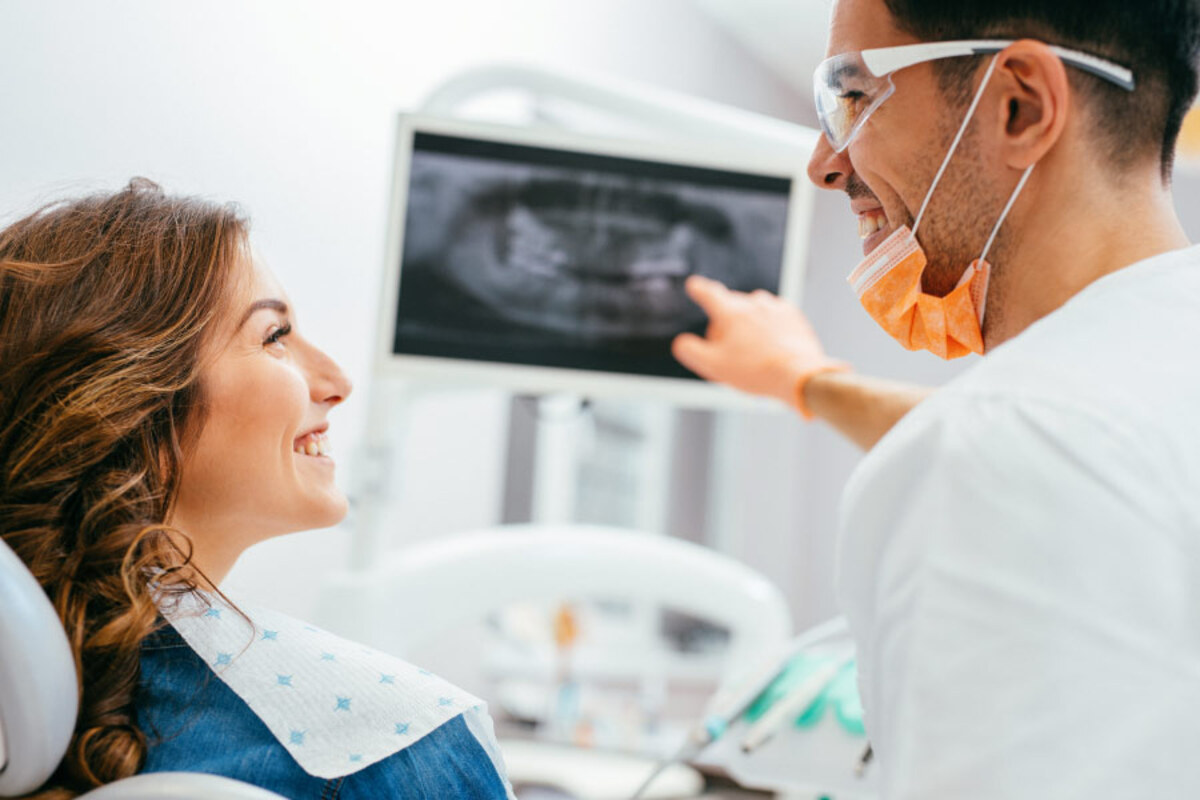
Dentists use diagnostic charts, digital imaging, and clinical evaluations to identify the issue during an emergency visit.
These resources aid in identifying:
- Fractures of teeth
- Infections
- Damage to the bones
- Undiscovered deterioration
- Injuries to soft tissues
A correct diagnosis helps patients find relief and protect their tooth health by allowing therapy to begin immediately.
Conclusion
A dental emergency should never be disregarded. In addition to protecting your smile, prompt treatment can help reduce pain and avoid complications.
Make an appointment for timely expert care by contacting Blackfalds Dental Center now if you have urgent dental needs.
Frequently Asked Questions
How can I determine whether a toothache is an emergency?
If a toothache is severe, chronic, or accompanied by swelling, fever, or indications of infection, it may be deemed an emergency.
If my tooth is knocked out, what should I do?
Take care of the tooth by its crown, keep it moist with milk or saliva, and get dental care right away.
Is it possible for a fractured tooth to wait a few days?
Minor chips may wait briefly, but broken teeth causing pain, sensitivity, or bleeding should be treated right away.
Does swelling on the face usually indicate a dental emergency?
A dentist should be consulted as soon as possible, as facial swelling may indicate a serious infection.
What takes place at an urgent dental appointment?
The dentist will assess the affected area, review diagnostic images or charts if necessary, identify the cause of the issue, and administer pain relief and dental health-restoration treatments.