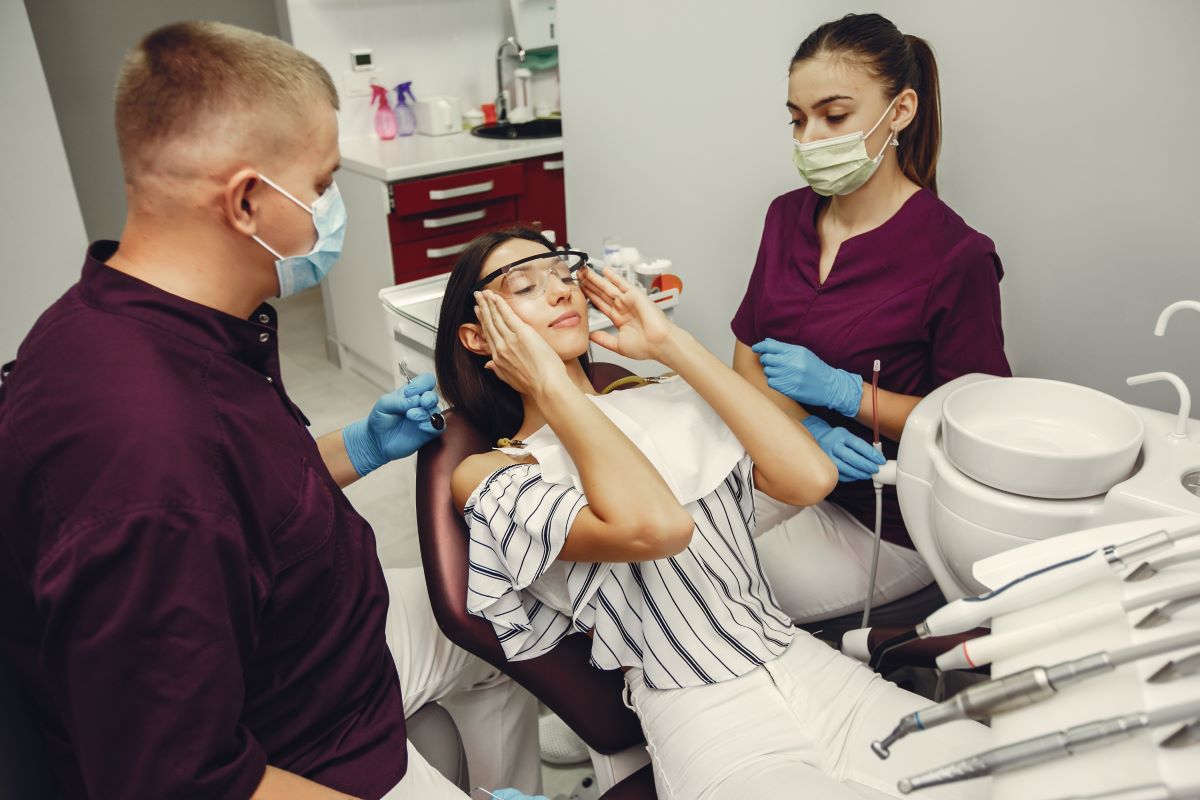
Feeling trapped, nervous, or unable to sit still during a dental visit can make treatment stressful. For some people, even the thought of lying back in a dental chair causes fear or discomfort. The sounds, close spaces, and feeling of losing control may make it difficult to relax. A dentist in Blackfalds, AB can discuss ways to make dental visits more comfortable, including sedation when appropriate.
IV sedation in Blackfalds, AB may help people who feel very anxious, restless, or uncomfortable during dental treatment. It uses medication delivered through a small tube inserted into a vein to help create a calm, relaxed state. You remain responsive to instructions, but may feel less aware of the treatment. IV sedation does not replace local anaesthetic, which is still used to numb the area being treated.
Why Can the Dental Chair Feel Uncomfortable?
Dental anxiety is not always about pain. Certain parts of the dental setting can cause fear or discomfort, especially when a person feels unable to move freely.
Common reasons include:
- Feeling stuck or unable to leave the room easily.
- Having dental tools or hands close to the face.
- Finding it hard to breathe through the nose.
- Feeling afraid of gagging during treatment.
- Worrying about pain or strange feelings.
- Finding it hard to sit still for a long time.
Some people feel they cannot sit still in the dental chair because they are nervous or uncomfortable, or because they find it hard to stay in one position for too long.
What Is IV Sedation and How Does It Work?
IV sedation is a type of conscious sedation given through a vein, usually in the hand or arm. The medicine works quickly and helps reduce anxiety during treatment.
During sedation:
- You may feel deeply relaxed or sleepy.
- You can usually respond to simple instructions.
- You may remember very little about the appointment.
- Your breathing and other vital signs are monitored.
- The level of sedation is adjusted based on your response and safety needs.
The goal is to help you remain calm while allowing the dental team to complete the planned treatment.Sedation for claustrophobia in dental care may be considered when fear makes routine treatment difficult.
How Can IV Sedation Help With Claustrophobia and Restlessness?
IV sedation may help reduce the fear and tension that make dental treatment difficult. It can be useful when lying back, keeping the mouth open, or staying in the chair causes strong discomfort.
Possible benefits include:
- Reduced anxiety: Medicine helps create a calmer feeling during treatment.
- Less awareness: The sights, sounds, and sensations of dental care may feel less upsetting.
- Easier treatment: Staying relaxed may help the dental team complete the planned work.
- Better comfort during longer visits: It may help when multiple treatments are needed in a single appointment.
However, IV sedation does not guarantee that all fear or discomfort will disappear. It also does not mean that you are fully unconscious.
Who May Benefit From IV Sedation?
IV sedation may be considered for people who:
- Have strong dental fear or anxiety.
- Feel claustrophobic when lying back in the dental chair.
- Struggle to remain still during treatment.
- Have a strong gag reflex.
- Need several treatments during one visit.
- Have difficulty completing dental care because of past negative experiences.
A dentist near you can review your medical history, current medicines, and treatment needs to decide whether sedation is suitable. Not everyone is a good candidate, so a health review is important before treatment.
What Happens Before, During, and After IV Sedation?
Before treatment, the dental team reviews your medical history, allergies, medications, and any previous reactions to sedation. You will also receive instructions about eating, drinking, and taking regular medicines.
During the appointment:
- A small IV line is placed in a vein.
- Sedation medicine is given through the line.
- Your breathing, heart rate, blood pressure, and oxygen levels are monitored.
- Local anaesthetic is used to numb the treatment area.
- The dental procedure is completed while your level of sedation is monitored.
After treatment, you remain under observation until it is safe to leave. You will need a responsible adult to take you home. Do not drive, operate machinery, drink alcohol, or make important decisions for the rest of the day, or for the period advised by the care team.
Is IV Sedation Suitable for Long Dental Appointments?
IV sedation may be useful for a long dental appointment sedation plan when several treatments need to be completed. It can help reduce anxiety and make it easier to remain comfortable during an extended visit.
IV conscious sedation in Central Alberta should always involve proper patient screening, trained providers, and monitoring. The length and type of treatment, health conditions, and sedation risks must be reviewed before planning the appointment.
Make Your Next Dental Visit Feel More Comfortable
Dental care should feel manageable, even when anxiety or restlessness makes appointments difficult. The right support can help make treatment more comfortable and reduce the stress of sitting in the dental chair. Contact Blackfalds Dental Centre to discuss your concerns and learn about suitable options for a calmer dental visit.
FAQs
Will I be asleep during IV sedation?
Usually, no. IV sedation helps you feel calm and sleepy, but you can still respond to simple instructions. How awake you feel depends on the medicine and dose used.
Can IV sedation help with a fear of being trapped in the dental chair?
It may help reduce anxiety and the feeling of panic. However, the dental team should understand the cause of the fear before deciding whether sedation is suitable.
Is IV sedation safe for everyone?
No. Certain health conditions, medicines, and breathing problems may increase the risks. A medical review is needed to check whether it is appropriate.
Will I feel pain during dental treatment with IV sedation?
IV sedation helps reduce anxiety, but it does not numb the teeth. Local anaesthetic is still used to prevent pain during treatment.