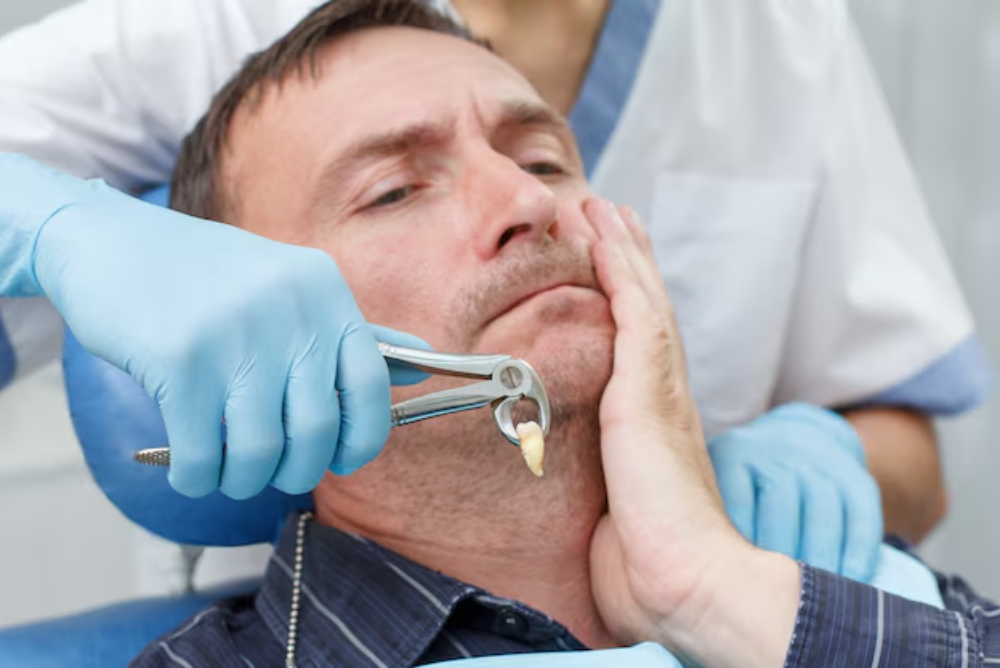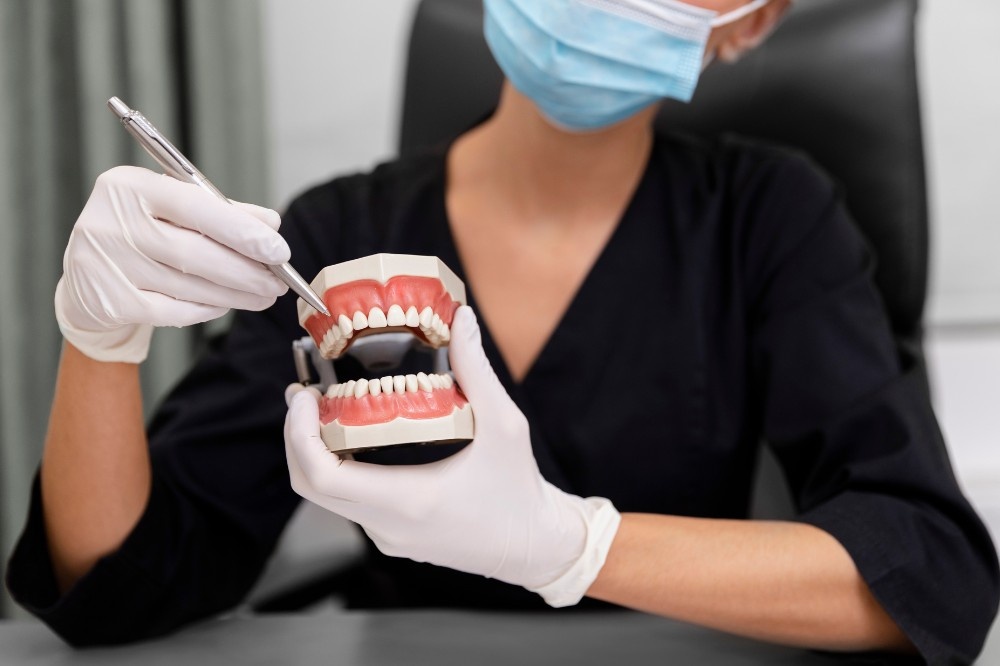
The mere mention of a root canal often causes unnecessary anxiety, but this procedure is actually a tooth-saving hero. Modern dental technology has transformed this process into a routine experience focused on comfort and relief.
If you are struggling with a severe toothache, a pain-free root canal treatment is designed to eliminate agony while preserving your natural tooth. Rather than an extraction, this restorative step ensures your jaw remains aligned, and your smile stays intact.
By understanding the process, you can move forward with confidence, knowing the goal is to get you back to your everyday life quickly.
Recognizing the Warning Signs of a Deep Infection
A root canal becomes necessary when the soft inner tissue of the tooth, known as the pulp, becomes inflamed. Because the pulp contains nerves and blood vessels, an infection here can be quite uncomfortable.
- Persistent Pain – Sharp pain when chewing or applying pressure to the area.
- Temperature Sensitivity – Lingering pain after eating hot or cold foods.
- Gum Swelling – Tenderness or a small bump on the gums near the painful tooth.
- Tooth Discoloration – A darkening of the enamel, which often indicates internal damage.
- Spontaneous Throbbing – Pain that occurs without any trigger, often waking you up at night.
How the Restorative Process Saves Your Smile
The primary goal of an infected tooth treatment is to remove bacteria and dying tissue from inside the canals. This stops the spread of infection to the surrounding bone and prevents a dental abscess.
- Accessing the Canal – A small opening is made in the top of the tooth to reach the pulp.
- Thorough Cleaning – Specialized tools are used to remove diseased tissue and reshape the canals gently.
- Disinfection – The area is treated with antimicrobial solutions to ensure no bacteria remain.
- Sealing the Tooth – The empty space is filled with a biocompatible material called gutta-percha.
Why You Should Consult a Specialized Provider
Choosing the right professional is essential for a successful outcome. When searching for a root canal dentist near you, look for a team that prioritizes patient education and utilizes modern diagnostic tools.
- Digital X-rays – These provide high-resolution images of the root shape and infection extent.
- Electronic Apex Locators – These tools help the dentist find the exact end of the root for perfect cleaning.
- Magnification Tools – Using dental loupes or microscopes allows for a clearer view of tiny canals.
- Gentle Techniques – Modern providers use quieter, smoother rotary tools than traditional files.
What to Expect During Your Recovery Phase
After the procedure, your body needs a short time to heal. While the “nerve” pain is gone, the area may feel slightly tender for a few days.
Finding a reliable dentist in Blackfalds ensures you have clear aftercare instructions to follow.
- Soft Food Diet – Stick to lukewarm soups, smoothies, and soft foods for the first 48 hours.
- Pain Management – Over-the-counter anti-inflammatories are usually enough to manage minor soreness.
- Avoid Chewing on the Site – Until your permanent crown is placed, avoid biting down on hard or crunchy foods.
- Oral Hygiene – Continue brushing and flossing gently to keep the area clean.
The Importance of the Final Restoration
A tooth that has undergone a root canal is more brittle than a live tooth. This is why a permanent crown is almost always recommended.
When you visit a dentist near you, you will have all the steps from the initial consultation to the final restoration explained in simple language. The dentist will explain you how to make the most of your investment from this final step in the process.
- Restoring Strength – A crown covers the tooth like a helmet, allowing you to chew with full force.
- Natural Appearance – Modern crowns match your surrounding teeth perfectly.
- Sealing the Deal – The crown provides an airtight seal, keeping bacteria out.
- Longevity – With a proper crown and good hygiene, a tooth repaired with root canal treatment can last a lifetime.
Restoring Your Health and Comfort
Dental pain shouldn’t be ignored. A root canal can stop infection and save your tooth. At Blackfalds Dental Centre, we offer gentle care in a comfortable setting to help you heal comfortably. Everyone deserves a healthy, confident smile. Contact us today to book your visit.
FAQs
Is a root canal better than pulling the tooth?
Yes, keeping your natural tooth is always better as it prevents other teeth from shifting and maintains your jawbone health.
How many appointments are required for a root canal?
Most treatments are completed in one or two visits, depending on the complexity of the tooth and the severity of the infection.
Can I drive home after the procedure?
Since local numbing is typically the only anesthesia used, most patients are perfectly fine to drive themselves home or return to work.
Will the tooth feel different after the procedure?
Because the nerve has been removed, the tooth will no longer feel hot or cold, but it will function normally for biting and chewing.